×


پیوند ها

قسمتی از متن :
Civil Law
The Court of Civil Jurisdiction was a court established in the late 18th century in the colony of New South Wales which subsequently became a state of Australia. The court had jurisdiction to deal with all civil disputes in the then fledgling colony. It was in operation between 1788, the date of establishment of the new colony, and 1814.
Background
The British government established the colony of New South Wales primarily as a penal colony with the intention of encouraging later settlement. Notwithstanding this, the colony’s principal purpose was to house prisoners from Great Britain. Captain Arthur Phillip was appointed as the colony’s first governor.
Arthur Phillip
The British authorities foresaw the need for a judicial system to be established in the colony to deal with civil matters. This was to be the present court, styled as the “Court of Civil Jurisdiction”, and established by a charter, as well a Court of Vice-Admiralty pursuant to letters from the High Admiralty in Great Britain. In time, the colony would take to authorising justices of the peace to determine smaller debt claims that were taking up the time of these original civil courts established. The institution of these first courts in the then fledgling colony were important first steps in establishment of the rule of law in Australia.
Constitution
The court was created by the First Charter of Justice, issued by King George III in the form of letters patent dated 2 April 1787.[1] The Court of Civil Jurisdiction as established by the Charter was composed of the deputy judge-advocate, who was commonly known in the colony as the “judge-advocate”, and two other persons appointed to the court by the Governor of New South Wales. The judge-advocate was the presiding officer. The court had jurisdiction to hear and
determine summarily actions relating to land, houses, debt, contract, trespass, and most other common law or equitable cases of any amount.
The court was abolished by the Second Charter of Justice, issued on 4 February 1814; it was replaced by the Supreme Court of Civil Judicature.[2]
Judge-Advocates
The first deputy judge-advocate was David Collins who held office from 1788 until 1796. He was temporarily replaced by Richard Bowyer Atkins until Richard Dore arrived in 1798.
David Collins
Dore was the first judge-advocate with legal qualifications. He died in 1800. Atkins was re-appointed and held office until late 1809, although he was temporarily deposed during the Rum Rebellion of 1808. At the end of 1809, Ellis Bent, a barrister, arrived from England to take up the appointment as judge-advocate. He held the office until his death on 10 November 1815 and was the last judge-advocate to preside in the court before it was abolished when it was replaced by the Supreme Court of Civil Judicature, the Governors Court and Lieutenant Governors Court.
Commencing cases
A case was commenced by a complaint made in writing by the plaintiff. After lodging it with the judge-advocate, the judge-advocate would issue a warrant to the Provost-Marshal stating the substance of the complaint. The provost-marshall would then summon the defendant to appear before the court. If the amount in dispute exceeded £10, the provost-marshall was directed to bring the defendant personally into Court. The defendant could instead provide bail for the his or her appearance. In the latter case, the defendant was required to find security for the amount of the judgment and deliver it to the provost-marshall.
تصاویری از چند صفحه نخست فایل :

توجه فرمایید بدلیل تهیه ی تصویر با نرم افزار های خارجی متن نمایش داده شده در تصاویر ممکن است دارای اشکالاتی در نمایش برخی حروف باشد که در فایل اصلی بدون مشکل است
برچسب های مهم

ریاضیات در بسیاری از زمینهها مثل علوم طبیعی، مهندسی، پزشکی، اقتصاد و علوم اجتماعی یک علم ضروری است. با گذشت زمان، شاخههای کاملاً جدیدی در ریاضیات بهوجود آمدهاند؛ مثل نظریه بازیها. ریاضیدانان در ریاضیات محض (مطالعه ریاضی با هدف کشف هرچه بیشتر رازهای خود آن) بدون اینکه ... ...
 فروش فیلتر بورسی استریکلی فقط 75 هزار تومان
 کسب درآمد اینترنتی 300000 تومان در خانه در کمتر از 30 دقیقه
 کسب و کار اینترنتی با درآمد میلیونی
 روش درآمدزایی در خواب (تعجب نکنید! کلیک کنید و بخوانید)
 ربات همه کاره اینستاگرام
 کسب درآمد از هوش مصنوعی ماهیانه حداقل ۱۲ میلیون تضمینی
 کسب درآمد روزانه حداقل یک میلیون تومان ! کاملا حلال و واقعـی !!
 کسب درآمد ابدی و بی نهایت 100% واقعی
 مجموعه ی آموزش تعمیر لامپ کم مصرف (از مبتدی تا پیشرفته)
 افزایش ممبر کانال، گروه و ربات تلگرام به صورت بی نهایت (اد ممبر)
 دانلود مجموعه آموزشی پایپینگ ( Piping ) و نقشه خوانی + آموزش سه نرم افزار طراحی و تحلیل لوله کشی صنعتی
 آموزش برنامه نویسی آردوینو
 آموزش بازكردن انواع قفل ها بدون كليد(ويژه)
 آموزش رایگان کسب درآمد از سایت الیمپ ترید ( olymp trade )
 کسب و کار اینترنتی در منزل
 بازگردانی پیامک های حذف شده- ریکاوری پیامک ۱۰۰٪ عملی
 اموزش ویرایش امضا و پکیج برنامه اندروید و کسب درامد از مارکت های اندرویدی
 آموزش ساخت بازی بدون دانش برنامه نویسی و طراحی سه بعدی مبتدی تا پیشرفته با نرم افزار
 کد های آماده html و css جهت یادگیری و طراحی سریع
 اموزش کسب درامد از اینترنت روزانه ۳میلیون تومان تضمینی و تست شده 1403
 درامدزایی در خواب! (تعجب نکنید! بخوانید)
 نسخه خطی اشعار و پیشگویی های شاه نعمت الله ولی
 آموزش كامل تعمير لامپ كم مصرف(اختصاصي)
 نسخه خطی اشعار و پیشگویی های شاه نعمت الله ولی
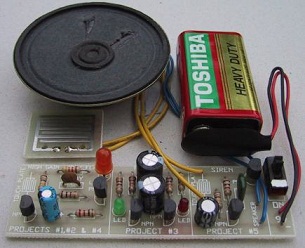 مدار داخلی واکی تاکی(اموزش ساخت)
 کتاب افزایش ممبر کانال تلگرام
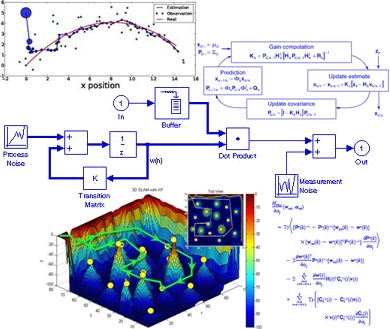 دانلود پاورپوینت فیلتر کالمن بر روی یک سنسور شتاب سنج برای تخمین سه متغیر حالت
 اندیکاتور ای کیو آپشن
 دانلود100% رایگان نرم افزار تبلیغات در تلگرام + آموزش کامل و فیلم آموزشی


