×


پیوند ها

قسمتی از متن :
2
About Heat Exchangers
Heat exchangers transfer heat energy from one fluid (or gas) to another fluid (or gas) without mixing the two. Automotive radiators are a common example. Heat from the hot engine water is pumped through the radiator, while air is blown through the radiator tins. The hot engine waters heat energy is transferred to the air, thus keeping the water at the right temperature, to keep the engine from overheating. Essentially automotive radiators are liquid-to-air heat exchangers. Other types of heat exchangers are common in everyday equipment such as boilers, furnaces, refrigerators and air conditioning systems. In fact, every air conditioning system and refrigeration system has at least two heat exchangers one for the cooling side, and one to expel the heat. There are three main types of heat exchangers, defined by their construction or body types: shell and tube, plate, and air-cooled.
Shell and tube (or tubular) heat exchangers are used in applications where high temperature and pressure demands are significant. Tubular heat exchangers are also employed when fluid contains particles that would block the channels of a plate heat exchanger. There are several types of shell and tube heat exchangers including U-tube, straight, spiral, and finned tube.
The U-tube design consists of straight length tubes bent into a U-shape. The bundle is fitted with tube supports or flow baffles, depending upon the fluid outside the tubes. The tube assembly is placed in a shell to contain the fluid on the outside of the tube bundle. A head assembly is bolted to the shell to direct the fluid into the tube bundle.
To handle heavy fouling fluids or applications where temperature cross conditions exist, straight-tube designs are available (a temperature cross occurs when the fluid being heated has an outlet temperature that falls between the inlet and outlet temperature of the heating medium). Because of the straight tubes, the head assemblies can be removed and the tubes can be mechanically cleaned. Depending upon the tube sheet configuration (fixed or floating) the ability to handle large temperature differences between the fluids may be limited.
The body of the spiral heat exchanger is made from two metal strips that are wound around a center to form 2 spiral channels.
Plate heat exchangers are often used on low-viscous applications with moderate demands on operating temperatures and pressures, typically below 150°C. Gasket material is chosen to withstand the operating temperature at hand and the properties of the processing fluid. There are several types of plate heat exchangers including gasketed, brazed, welded and semi-weld or hybrid types.
The most common of the plate-type heat exchangers is the gasketed plate-and-frame heat exchanger. Gasketed plate-and-frame heat exchangers consist of a series of channeled plates that are mounted on a frame and clamped together. Each plate is made from "pressable" materials (stainless steel, nickel, titanium, etc.) and is formed with a series of corrugations. Also included with each plate is an elastomer gasket. The gaskets contain the pressure and control the flow of each medium. The gasketed plates are assembled in a pack, mounted on upper and lower guide rails, and compressed between two end frames by compression bolts. The gasket arrangement of each plate distributes the hot and cold media into alternating flow channels throughout the plate pack. In all cases, hot and cold fluids flow counter to each other.
Brazed plate
2
heat exchangers consist of specially formed plates, vacuum brazed together to form a heat transfer device.
Welded plate heat exchangers require no gaskets; they are fully welded and typically constructed of a single material (usually stainless steel).
Semi-weld or hybrid plate exchangers consist of pairs of plates that are laser welded together into cassettes. This allows one fluid to flow in a welded channel and the other to flow in a gasketed channel.
Air-cooled heat exchangers have an integral electric motor or fluid powered fan for cooling / heat removal of media. Some air-cooled models do not include the fan, but have cutouts for aftermarket fans.
Heat exchangers transfer heat energy from one fluid (or gas) to another fluid (or gas) without mixing the two. Automotive radiators are a common example. Heat from the hot engine water is pumped through the radiator, while air is blown through the radiator tins. The hot engine waters heat energy is transferred to the air, thus keeping the water at the right temperature, to keep the engine from overheating. Essentially automotive radiators are liquid-to-air heat exchangers. Other types of heat exchangers are common in everyday equipment such as boilers, furnaces, refrigerators and air conditioning systems. In fact, every air conditioning system and refrigeration system has at least two heat exchangers one for the cooling side, and one to expel the heat.
There are three main types of heat exchangers, defined by their construction or body types: shell and tube, plate, and air-cooled.
Shell and tube (or tubular) heat exchangers are used in applications where high temperature and pressure demands are significant. Tubular heat exchangers are also employed when fluid contains particles that would block the channels of a plate heat exchanger. There are several types of shell and tube heat exchangers including U-tube, straight, spiral, and finned tube.
Plate heat exchangers are often used on low-viscous applications with moderate demands on operating temperatures and pressures, typically below 150°C. Gasket material is chosen to withstand the operating temperature at hand and the properties of the processing fluid. There are several types of plate heat exchangers including gasketed, brazed, welded and semi-weld or hybrid types.
Air-cooled heat exchangers have an integral electric motor or fluid powered fan for cooling / heat removal of media. Some air-cooled models do not include the fan, but have cutouts for aftermarket fans.
تصاویری از چند صفحه نخست فایل :

توجه فرمایید بدلیل تهیه ی تصویر با نرم افزار های خارجی متن نمایش داده شده در تصاویر ممکن است دارای اشکالاتی در نمایش برخی حروف باشد که در فایل اصلی بدون مشکل است
 فروش فیلتر بورسی استریکلی فقط 75 هزار تومان
 کسب درآمد اینترنتی 300000 تومان در خانه در کمتر از 30 دقیقه
 کسب و کار اینترنتی با درآمد میلیونی
 روش درآمدزایی در خواب (تعجب نکنید! کلیک کنید و بخوانید)
 ربات همه کاره اینستاگرام
 کسب درآمد از هوش مصنوعی ماهیانه حداقل ۱۲ میلیون تضمینی
 کسب درآمد روزانه حداقل یک میلیون تومان ! کاملا حلال و واقعـی !!
 کسب درآمد ابدی و بی نهایت 100% واقعی
 مجموعه ی آموزش تعمیر لامپ کم مصرف (از مبتدی تا پیشرفته)
 افزایش ممبر کانال، گروه و ربات تلگرام به صورت بی نهایت (اد ممبر)
 دانلود مجموعه آموزشی پایپینگ ( Piping ) و نقشه خوانی + آموزش سه نرم افزار طراحی و تحلیل لوله کشی صنعتی
 آموزش برنامه نویسی آردوینو
 آموزش بازكردن انواع قفل ها بدون كليد(ويژه)
 آموزش رایگان کسب درآمد از سایت الیمپ ترید ( olymp trade )
 کسب و کار اینترنتی در منزل
 بازگردانی پیامک های حذف شده- ریکاوری پیامک ۱۰۰٪ عملی
 اموزش ویرایش امضا و پکیج برنامه اندروید و کسب درامد از مارکت های اندرویدی
 آموزش ساخت بازی بدون دانش برنامه نویسی و طراحی سه بعدی مبتدی تا پیشرفته با نرم افزار
 کد های آماده html و css جهت یادگیری و طراحی سریع
 اموزش کسب درامد از اینترنت روزانه ۳میلیون تومان تضمینی و تست شده 1403
 درامدزایی در خواب! (تعجب نکنید! بخوانید)
 نسخه خطی اشعار و پیشگویی های شاه نعمت الله ولی
 آموزش كامل تعمير لامپ كم مصرف(اختصاصي)
 نسخه خطی اشعار و پیشگویی های شاه نعمت الله ولی
 مدار داخلی واکی تاکی(اموزش ساخت)
 کتاب افزایش ممبر کانال تلگرام
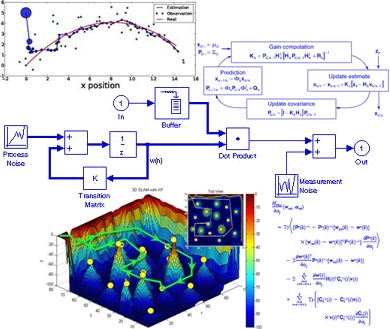 دانلود پاورپوینت فیلتر کالمن بر روی یک سنسور شتاب سنج برای تخمین سه متغیر حالت
 اندیکاتور ای کیو آپشن
 دانلود100% رایگان نرم افزار تبلیغات در تلگرام + آموزش کامل و فیلم آموزشی


