×


پیوند ها

قسمتی از متن :
2
How To Define Internet Computing
Retailers today face a competitive marketplace with unprecedented challenges and opportunities. Increasing labor costs. Blurring of market segmentation. Reduced customer loyalty. You know the list. But, now there is a whole new set of challenges brought on by the Internet:
Retailers are being "dot-commed" right out of their markets.
Price visibility is allowing customers instant access to the lowest cost merchant.
Manufacturers and new competitors are removing some retailers from the supply chain altogether.
Online auctions have fundamentally changed the way merchandise is sold and purchased. This list continues to grow as people think of more and more ways to leverage the Internet.
E-Business Or Out Of Business
It is a new world. For brick-and-mortar retailers in particular, the Internet is creating enormous disruption. But, it is also presenting unprecedented opportunities for those who understand the use, implications, and terminology of Internet technologies, and for those who move quickly and intelligently to become an e-business themselves. Increasingly, the choice facing retailers is simple: its e-business or out of business.
Unfortunately, its not as simple as deciding to become an e-business. Terms like e-business, e-commerce, Web-deployed, Internet-enabled, customer relationship management, and the like all seem to have different meanings to each retailer and software vendor. For retailers, one fundamental term that must be clearly understood to succeed, is the true meaning of the words "Internet computing."
Why? Because the differences between true Internet computing, and the faux offerings that mimic the look of true Internet computing, are subtle to the untrained eye. However, they are dramatic in the capabilities and benefits they provide.
Defining Internet Computing
Internet computing is the foundation on which e-business runs. It is the only architecture that can run all facets of business, from supplier collaboration and merchandise purchasing, to distribution and store operations, to customer sales and service. Internet computing is the only architecture that supports all information flows and processes over the Internet — providing access to all applications. With Internet computing, all a user needs is a standard Web browser and security clearance.
The Internet computing model represents a fundamental shift from the traditional client/server enterprise application model. The four-walled efficiency that was once the goal of monolithic enterprise resource planning implementations — known as business process redesign (BPR) — has been replaced. The new environment is one in which economic gains are a result of systems efficiencies and collaboration across the extended network of customers, retailers, manufacturers, and suppliers.
2
Shift In Focus
There are three tiers in true Internet computing. These three tiers provide the benefit of centralized data that supports a unified view of the retailers financial, human resources, inventory, logistics, trading partner, and customer information. The business logic at the next layer accesses and transacts the data. The user interface is a simple, non-proprietary Web browser. No complexity resides on the users device, which can be anything from a PC to a mobile phone, or even a uniquely purposed mobile unit.
(Note: A unique "tool set" that allows writing in multiple languages allows Web deployment functionality to occur within the application server.)
An Internet computing architecture provides:
universal access to any person with a browser
unified views of critical data across the enterprise
scalability to support retailers of any size
flexibility and agility that allows retailers to quickly implement new business rules
lower total cost of ownership resulting from simplified IT administration and the adoption of self-service applications
streamlined communication processes and simplified distribution of critical business information across the enterprise.
What Internet Computing Is Not
The most common misnomer equated to Internet computing is "Web-deployed," meaning a self-service application that allows a particular transaction to occur through a browser. For example, checking the status of a UPS delivery is a Web-deployed application conducting a pre-defined task. For some casual users of applications, thats sufficient. But Internet computing is more than that. It is about deploying all business applications — for casual and power users — across the Internet, using the most streamlined architecture available.
To appreciate the benefits of Internet computing, its useful to compare and contrast the alternative architectures — including two-tier, three-tier with proprietary user interface, and four-tier. Most IT professionals are familiar with the two-tier alternatives and understand the drawbacks of each. In fact, the desktop administration headaches featured by the fat client version of two-tier architecture are what precipitated the move to the Internet computing model. The fat server version, while causing a less painful desktop administration headache, still requires vendor-specific software to be installed for the client.
تصاویری از چند صفحه نخست فایل :

توجه فرمایید بدلیل تهیه ی تصویر با نرم افزار های خارجی متن نمایش داده شده در تصاویر ممکن است دارای اشکالاتی در نمایش برخی حروف باشد که در فایل اصلی بدون مشکل است
برچسب های مهم
 فروش فیلتر بورسی استریکلی فقط 75 هزار تومان
 کسب درآمد اینترنتی 300000 تومان در خانه در کمتر از 30 دقیقه
 کسب و کار اینترنتی با درآمد میلیونی
 روش درآمدزایی در خواب (تعجب نکنید! کلیک کنید و بخوانید)
 ربات همه کاره اینستاگرام
 کسب درآمد از هوش مصنوعی ماهیانه حداقل ۱۲ میلیون تضمینی
 کسب درآمد روزانه حداقل یک میلیون تومان ! کاملا حلال و واقعـی !!
 کسب درآمد ابدی و بی نهایت 100% واقعی
 مجموعه ی آموزش تعمیر لامپ کم مصرف (از مبتدی تا پیشرفته)
 افزایش ممبر کانال، گروه و ربات تلگرام به صورت بی نهایت (اد ممبر)
 دانلود مجموعه آموزشی پایپینگ ( Piping ) و نقشه خوانی + آموزش سه نرم افزار طراحی و تحلیل لوله کشی صنعتی
 آموزش برنامه نویسی آردوینو
 آموزش بازكردن انواع قفل ها بدون كليد(ويژه)
 آموزش رایگان کسب درآمد از سایت الیمپ ترید ( olymp trade )
 کسب و کار اینترنتی در منزل
 بازگردانی پیامک های حذف شده- ریکاوری پیامک ۱۰۰٪ عملی
 اموزش ویرایش امضا و پکیج برنامه اندروید و کسب درامد از مارکت های اندرویدی
 آموزش ساخت بازی بدون دانش برنامه نویسی و طراحی سه بعدی مبتدی تا پیشرفته با نرم افزار
 کد های آماده html و css جهت یادگیری و طراحی سریع
 اموزش کسب درامد از اینترنت روزانه ۳میلیون تومان تضمینی و تست شده 1403
 درامدزایی در خواب! (تعجب نکنید! بخوانید)
 نسخه خطی اشعار و پیشگویی های شاه نعمت الله ولی
 آموزش كامل تعمير لامپ كم مصرف(اختصاصي)
 نسخه خطی اشعار و پیشگویی های شاه نعمت الله ولی
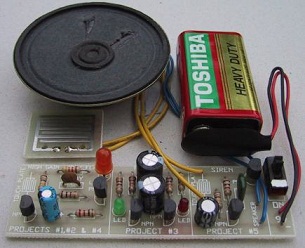 مدار داخلی واکی تاکی(اموزش ساخت)
 کتاب افزایش ممبر کانال تلگرام
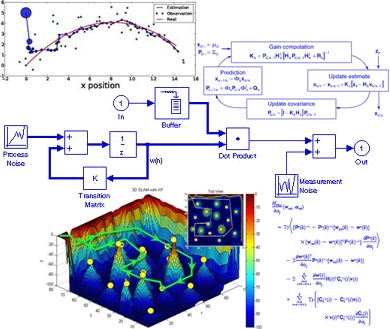 دانلود پاورپوینت فیلتر کالمن بر روی یک سنسور شتاب سنج برای تخمین سه متغیر حالت
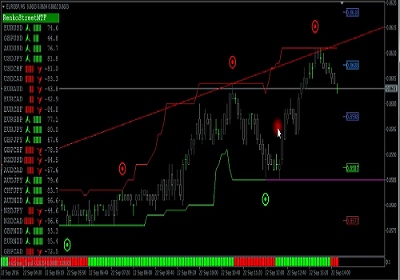 اندیکاتور ای کیو آپشن
 دانلود100% رایگان نرم افزار تبلیغات در تلگرام + آموزش کامل و فیلم آموزشی


