×

پیوند ها

قسمتی از متن :
What is Learning?
Learning is an important area in AI, perhaps more so than planning.
Problems are hard -- harder than planning.
Recognised Solutions are not as common as planning.
A goal of AI is to enable computers that can be taught rather than programmed.
Learning is a an area of AI that focusses on processes of self-improvement.
Information processes that improve their performance or enlarge their knowledge bases are said to learn.
Why is it hard?
Intelligence implies that an organism or machine must be able to adapt to new situations.
It must be able to learn to do new things.
This requires knowledge acquisition, inference, updating/refinement of knowledge base, acquisition of heuristics, applying faster searches, etc.
How can we learn?
Many approaches have been taken to attempt to provide a machine with learning capabilities. This is because learning tasks cover a wide range of phenomena.
Listed below are a few examples of how one may learn. We will look at these in detail shortly
Skill refinement
-- one can learn by practicing, e.g playing the piano.
Knowledge acquisition
-- one can learn by experience and by storing the experience in a knowledge base. One basic example of this type is rote learning.
Taking advice
-- Similar to rote learning although the knowledge that is input may need to be transformed (or operationalised) in order to be used effectively.
Problem Solving
-- if we solve a problem one may learn from this experience. The next time we see a similar problem we can solve it more efficiently. This does not usually involve gathering new knowledge but may involve reorganisation of data or remembering how to achieve to solution.
Induction
-- One can learn from examples. Humans often classify things in the world without knowing explicit rules. Usually involves a teacher or trainer to aid the classification.
Discovery
-- Here one learns knowledge without the aid of a teacher.
Analogy
If a system can recognise similarities in information already stored then it may be able to transfer some knowledge to improve to solution of the task in hand.
Rote Learning
Rote Learning is basically memorisation.
Saving knowledge so it can be used again.
Retrieval is the only problem.
No repeated computation, inference or query is necessary.
A simple example of rote learning is caching
Store computed values (or large piece of data)
Recall this information when required by computation.
Significant time savings can be achieved.
Many AI programs (as well as more general ones) have used caching very effectively.
Memorisation is a key necessity for learning:
It is a basic necessity for any intelligent program -- is it a separate learning process?
Memorisation can be a complex subject -- how best to store knowledge?
Samuels Checkers program employed rote learning (it also used parameter adjustment which will be discussed shortly).
A minimax search was used to explore the game tree.
Time constraints do not permit complete searches.
It records board positions and scores at search ends.
تصاویری از چند صفحه نخست فایل :

توجه فرمایید بدلیل تهیه ی تصویر با نرم افزار های خارجی متن نمایش داده شده در تصاویر ممکن است دارای اشکالاتی در نمایش برخی حروف باشد که در فایل اصلی بدون مشکل است
برچسب های مهم
 فروش فیلتر بورسی استریکلی فقط 75 هزار تومان
 کسب درآمد اینترنتی 300000 تومان در خانه در کمتر از 30 دقیقه
 کسب و کار اینترنتی با درآمد میلیونی
 روش درآمدزایی در خواب (تعجب نکنید! کلیک کنید و بخوانید)
 ربات همه کاره اینستاگرام
 کسب درآمد از هوش مصنوعی ماهیانه حداقل ۱۲ میلیون تضمینی
 کسب درآمد روزانه حداقل یک میلیون تومان ! کاملا حلال و واقعـی !!
 کسب درآمد ابدی و بی نهایت 100% واقعی
 مجموعه ی آموزش تعمیر لامپ کم مصرف (از مبتدی تا پیشرفته)
 افزایش ممبر کانال، گروه و ربات تلگرام به صورت بی نهایت (اد ممبر)
 دانلود مجموعه آموزشی پایپینگ ( Piping ) و نقشه خوانی + آموزش سه نرم افزار طراحی و تحلیل لوله کشی صنعتی
 آموزش برنامه نویسی آردوینو
 آموزش بازكردن انواع قفل ها بدون كليد(ويژه)
 آموزش رایگان کسب درآمد از سایت الیمپ ترید ( olymp trade )
 کسب و کار اینترنتی در منزل
 بازگردانی پیامک های حذف شده- ریکاوری پیامک ۱۰۰٪ عملی
 اموزش ویرایش امضا و پکیج برنامه اندروید و کسب درامد از مارکت های اندرویدی
 آموزش ساخت بازی بدون دانش برنامه نویسی و طراحی سه بعدی مبتدی تا پیشرفته با نرم افزار
 کد های آماده html و css جهت یادگیری و طراحی سریع
 اموزش کسب درامد از اینترنت روزانه ۳میلیون تومان تضمینی و تست شده 1403
 درامدزایی در خواب! (تعجب نکنید! بخوانید)
 نسخه خطی اشعار و پیشگویی های شاه نعمت الله ولی
 آموزش كامل تعمير لامپ كم مصرف(اختصاصي)
 نسخه خطی اشعار و پیشگویی های شاه نعمت الله ولی
 مدار داخلی واکی تاکی(اموزش ساخت)
 کتاب افزایش ممبر کانال تلگرام
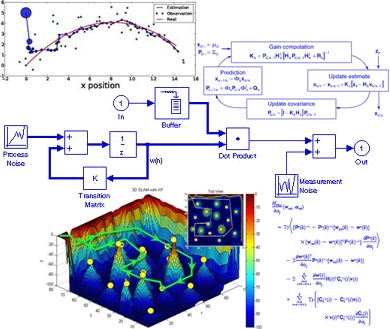 دانلود پاورپوینت فیلتر کالمن بر روی یک سنسور شتاب سنج برای تخمین سه متغیر حالت
 اندیکاتور ای کیو آپشن
 دانلود100% رایگان نرم افزار تبلیغات در تلگرام + آموزش کامل و فیلم آموزشی


