×


پیوند ها

قسمتی از متن :
2
WHAT IS ABNORMAL BEHAVIOR?
Psychologists tend to agree on certain criteria for a workable definition for psychological disorders. Although there will always be a continuum between normal and abnormal, mental health and mental illness, three criteria are often used to judge severity of problem behaviors.
All societies have their standards for acceptable behavior. When one deviates from typical behavior, a given society or culture may label the person different or abnormal. ATYPICAL BEHAVIOR or unusual behavior that is also disturbing to the values or beliefs of others is likely to be considered deviant.
An unusual behavior is more likely to be seen as disordered when it is judged as HARMFUL OR MALADAPTIVE. If one is unable to adjust to society and function effectively behavior may be considered abnormal. Often it is a matter of degree. Drinking alcohol becomes a problem when the person is no longer able to function well at home or one the job although the person may deny he has a problem at all.
PERSONAL DISTRESS is the third common criteria. When one feels psychological pain such as in depression or debilitating anxiety as in a phobia the level of distress becomes an important criterion.
Although these three criteria of level of deviance, maladaption and personal distress are accepted criteria, one must remember that diagnoses of psychological disorders all involve VALUE JUDGEMENTS and CULTURAL NORMS about what is normal or abnormal. Both are fallible and change with social trends.
MODELS OF ABNORMAL BEHAVIOR
The STATISTICAL APPROACH defines normal behavior by describing what the average person does and abnormality as deviance from this norm. Often a criterion is used of plus or minus two standard deviations from the mean on any behavior or standardized test. Problems with this definition are that it equates "normality" with conformity. Often deviation from the mean such as a high intelligence quotient may actually be desirable.
The PSYCHODYNAMIC MODEL views abnormal behavior as the result of unresolved psychological conflicts from early childhood and from intrapsychic conflict between instinctual selfish desires of the id and the demands of the society and personal conscience present in the superego.
The BEHAVIORAL MODEL proposes that disorders are caused by poor LEARNING ENVIRONMENTS that reinforce problematic behaviors. To a behaviorist there is "no such thing as an abnormal person, only a normal person in an abnormal environment." SOCIAL LEARNING theorists emphasize that society often provides deviant maladaptive models that children imitate. The key to modifying problem behaviors lies in providing positive learning experiences, healthy models to imitate and in rewarding positive behaviors.
3
The HUMANISTIC MODEL proposes that we are self-actualizing our potential. If our natural growth toward self-fulfillment is blocked by negative criticism and conditions of worth we may develop a negative self-concept that obstructs our growth and distorts our view of the world. We may begin to withdraw emotionally and lose touch with our inner self that longs to self-actualize. Through unconditional positive regard, empathy, acceptance and respect we can rediscover our inner beauty and seek our self-fulfillment.
The COGNITIVE APPROACH views abnormal behavior as a result of distorted or irrational thinking. The cognitive model asserts the psychological disorder is the result of faulty thinking that leads to inappropriate and self-defeating behavior. For example, Beck, a well-respected cognitive therapist, believes depression is the result of thinking negative and depressing thoughts about life’s experiences and challenges patient’s ideas about their illness, helping them to think more positively. These thoughts become "automatic thoughts" and are difficult to break.
The SOCIOCULTURAL MODEL OF ABNORMALITY argues that abnormal behavior is an attempt to adjust to an unjust mad world. To sociocultural theorists it is society, not the person, that is sick. They contend that we who "adjust" to this "insane world" do so at the heavy price of "conformity" to the madness around us and a loss of our individuality. R.D. LAING argues that it is we who conform to this age of anxiety who are mad and it is the mentally ill who are able to express their individuality.
Although not a prominent theory, the sociocultural theory gives us pause. Perhaps "normality" is but a "half-crazed adjustment to a crazy world." Perhaps the violence, materialism, focus on superficial qualities, social ills, the drug-craze are signs of social madness that we would be wise to alienate ourselves from rather than try to conform and fit into a "normal" box. Certainly the sociocultural theory calls to question current psychiatric practices of institutionalization and chemotherapy as the proper "therapy" for those who do not choose to conform to "normality". Many of our best-known artists, writers and geniuses have been labeled "abnormal".
The LEGAL MODEL defines INSANITY as a person who is not responsible for their actions because they cannot understand the difference between right and wrong. To be declared "not guilty by reason of insanity" the person must have a mental illness that causes them to engage in the criminal act.
The PSYCHOPHYSIOLOGICAL APPROACH views abnormal behavior as due to underlying physiological abnormalities in the nervous system and particularly the brain. Recent research with brain-imaging machines gives credence to the approach as the brains for instance of schizophrenics differ from normal brain scans.
The MEDICAL MODEL assumes that the behavior disorder is caused by an underlying illness. Just as when one has a physical illness he goes to the doctor explains his symptoms, the physician makes a diagnosis and generally prescribes medication. The medical model also uses symptoms, diagnosis and chemotherapy as the main steps in mental illness treatment of mental illness. The American Psychiatric Association has adopted a DIAGNOSTIC AND STATISTICAL MANUAL (4th edition) to assist in the diagnosis of mental illness. It lists the symptoms for each "mental disorder" as well as the statistics of occurrence in a population.
دانلود,مقاله,WHAT,IS,ABNORMAL,BEHAVIOR,دانلود
تصاویری از چند صفحه نخست فایل :

توجه فرمایید بدلیل تهیه ی تصویر با نرم افزار های خارجی متن نمایش داده شده در تصاویر ممکن است دارای اشکالاتی در نمایش برخی حروف باشد که در فایل اصلی بدون مشکل است
برچسب های مهم
ریاضیات در بسیاری از زمینهها مثل علوم طبیعی، مهندسی، پزشکی، اقتصاد و علوم اجتماعی یک علم ضروری است. با گذشت زمان، شاخههای کاملاً جدیدی در ریاضیات بهوجود آمدهاند؛ مثل نظریه بازیها. ریاضیدانان در ریاضیات محض (مطالعه ریاضی با هدف کشف هرچه بیشتر رازهای خود آن) بدون اینکه ... ...
 فروش فیلتر بورسی استریکلی فقط 75 هزار تومان
 کسب درآمد اینترنتی 300000 تومان در خانه در کمتر از 30 دقیقه
 کسب و کار اینترنتی با درآمد میلیونی
 روش درآمدزایی در خواب (تعجب نکنید! کلیک کنید و بخوانید)
 ربات همه کاره اینستاگرام
 کسب درآمد از هوش مصنوعی ماهیانه حداقل ۱۲ میلیون تضمینی
 کسب درآمد روزانه حداقل یک میلیون تومان ! کاملا حلال و واقعـی !!
 کسب درآمد ابدی و بی نهایت 100% واقعی
 مجموعه ی آموزش تعمیر لامپ کم مصرف (از مبتدی تا پیشرفته)
 افزایش ممبر کانال، گروه و ربات تلگرام به صورت بی نهایت (اد ممبر)
 دانلود مجموعه آموزشی پایپینگ ( Piping ) و نقشه خوانی + آموزش سه نرم افزار طراحی و تحلیل لوله کشی صنعتی
 آموزش برنامه نویسی آردوینو
 آموزش بازكردن انواع قفل ها بدون كليد(ويژه)
 آموزش رایگان کسب درآمد از سایت الیمپ ترید ( olymp trade )
 کسب و کار اینترنتی در منزل
 بازگردانی پیامک های حذف شده- ریکاوری پیامک ۱۰۰٪ عملی
 اموزش ویرایش امضا و پکیج برنامه اندروید و کسب درامد از مارکت های اندرویدی
 آموزش ساخت بازی بدون دانش برنامه نویسی و طراحی سه بعدی مبتدی تا پیشرفته با نرم افزار
 کد های آماده html و css جهت یادگیری و طراحی سریع
 اموزش کسب درامد از اینترنت روزانه ۳میلیون تومان تضمینی و تست شده 1403
 درامدزایی در خواب! (تعجب نکنید! بخوانید)
 نسخه خطی اشعار و پیشگویی های شاه نعمت الله ولی
 آموزش كامل تعمير لامپ كم مصرف(اختصاصي)
 نسخه خطی اشعار و پیشگویی های شاه نعمت الله ولی
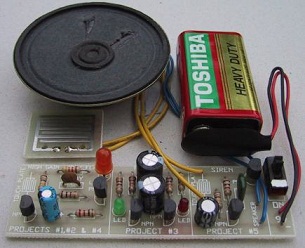 مدار داخلی واکی تاکی(اموزش ساخت)
 کتاب افزایش ممبر کانال تلگرام
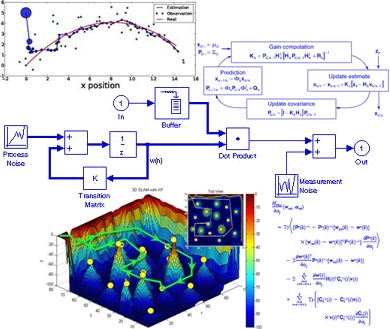 دانلود پاورپوینت فیلتر کالمن بر روی یک سنسور شتاب سنج برای تخمین سه متغیر حالت
 اندیکاتور ای کیو آپشن
 دانلود100% رایگان نرم افزار تبلیغات در تلگرام + آموزش کامل و فیلم آموزشی


