×


پیوند ها

قسمتی از متن :
1
bisley village
Bisley is a compact village sitting at the head of a combe high on the Cotswolds overlooking the valley of the Stroudwater or River Frome. It has a striking collection of very fine Cotswold architecture from large houses to typical cottages. In Saxon times it gave its name to a large hundred, an administrative unit probably then centred slightly to the north-west of he village at The Wittantree. When developed by the Normans after the Conquest in 1066, Bisley’s two remaining principal houses, Over Court and Jaynes Court, were farms until recent times and, like other farms in the area, situated just off the flat Cotswold plateau on which their arable lands were located in open or common fields. Around them and the adjacent Church of All Saints developed the centre of a very large ecclesiastical parish which once included The Thrupp, then La Strode or Stroud, and in more recent times the villages of Chalford, Oakridge, Bussage and Eastcombe. Originally, the manor of Bisley covered the same large area and included several woods, three of which were designated as manorial woods from which certain people, usually the rich and influential, were allowed to cart loads of brushwood. Over the centuries these areas were reduced to scrubland. As the woolen trade developed along the Stroudwater the people who worked in the mills along the river started to establish their homes along the edge of these former woodlands which were by the middle of the 19th century described as wastelands. This was the origin of villages such as Oakridge, Chalford Hill and parts of Bussage. When attempts were made to enclose these wastelands by the then lord of the manor, J.R. Dorington of Lypiatt Park, there were objections among which when Dorington rode by were cries of who stole the donkeys dinner!.
1
bisley village
Bisley is a compact village sitting at the head of a combe high on the Cotswolds overlooking the valley of the Stroudwater or River Frome. It has a striking collection of very fine Cotswold architecture from large houses to typical cottages. In Saxon times it gave its name to a large hundred, an administrative unit probably then centred slightly to the north-west of he village at The Wittantree. When developed by the Normans after the Conquest in 1066, Bisley’s two remaining principal houses, Over Court and Jaynes Court, were farms until recent times and, like other farms in the area, situated just off the flat Cotswold plateau on which their arable lands were located in open or common fields. Around them and the adjacent Church of All Saints developed the centre of a very large ecclesiastical parish which once included The Thrupp, then La Strode or Stroud, and in more recent times the villages of Chalford, Oakridge, Bussage and Eastcombe. Originally, the manor of Bisley covered the same large area and included several woods, three of which were designated as manorial woods from which certain people, usually the rich and influential, were allowed to cart loads of brushwood. Over the centuries these areas were reduced to scrubland. As the woolen trade developed along the Stroudwater the people who worked in the mills along the river started to establish their homes along the edge of these former woodlands which were by the middle of the 19th century described as wastelands. This was the origin of villages such as Oakridge, Chalford Hill and parts of Bussage. When attempts were made to enclose these wastelands by the then lord of the manor, J.R. Dorington of Lypiatt Park, there were objections among which when Dorington rode by were cries of who stole the donkeys dinner!.
تصاویری از چند صفحه نخست فایل :

توجه فرمایید بدلیل تهیه ی تصویر با نرم افزار های خارجی متن نمایش داده شده در تصاویر ممکن است دارای اشکالاتی در نمایش برخی حروف باشد که در فایل اصلی بدون مشکل است
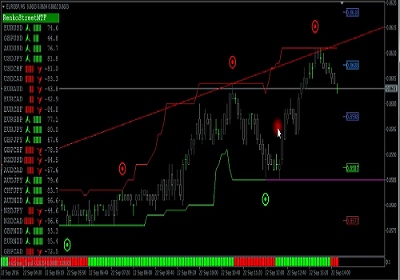
 فروش فیلتر بورسی استریکلی فقط 75 هزار تومان
 کسب درآمد اینترنتی 300000 تومان در خانه در کمتر از 30 دقیقه
 کسب و کار اینترنتی با درآمد میلیونی
 روش درآمدزایی در خواب (تعجب نکنید! کلیک کنید و بخوانید)
 ربات همه کاره اینستاگرام
 کسب درآمد از هوش مصنوعی ماهیانه حداقل ۱۲ میلیون تضمینی
 کسب درآمد روزانه حداقل یک میلیون تومان ! کاملا حلال و واقعـی !!
 کسب درآمد ابدی و بی نهایت 100% واقعی
 مجموعه ی آموزش تعمیر لامپ کم مصرف (از مبتدی تا پیشرفته)
 افزایش ممبر کانال، گروه و ربات تلگرام به صورت بی نهایت (اد ممبر)
 دانلود مجموعه آموزشی پایپینگ ( Piping ) و نقشه خوانی + آموزش سه نرم افزار طراحی و تحلیل لوله کشی صنعتی
 آموزش برنامه نویسی آردوینو
 آموزش بازكردن انواع قفل ها بدون كليد(ويژه)
 آموزش رایگان کسب درآمد از سایت الیمپ ترید ( olymp trade )
 کسب و کار اینترنتی در منزل
 بازگردانی پیامک های حذف شده- ریکاوری پیامک ۱۰۰٪ عملی
 اموزش ویرایش امضا و پکیج برنامه اندروید و کسب درامد از مارکت های اندرویدی
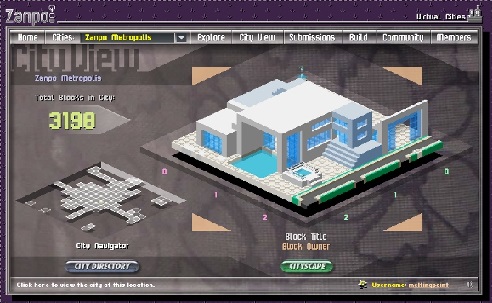 آموزش ساخت بازی بدون دانش برنامه نویسی و طراحی سه بعدی مبتدی تا پیشرفته با نرم افزار
 کد های آماده html و css جهت یادگیری و طراحی سریع
 اموزش کسب درامد از اینترنت روزانه ۳میلیون تومان تضمینی و تست شده 1403
 درامدزایی در خواب! (تعجب نکنید! بخوانید)
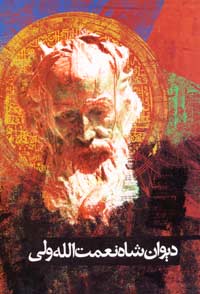 نسخه خطی اشعار و پیشگویی های شاه نعمت الله ولی
 آموزش كامل تعمير لامپ كم مصرف(اختصاصي)
 نسخه خطی اشعار و پیشگویی های شاه نعمت الله ولی
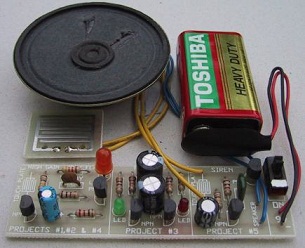 مدار داخلی واکی تاکی(اموزش ساخت)
 کتاب افزایش ممبر کانال تلگرام
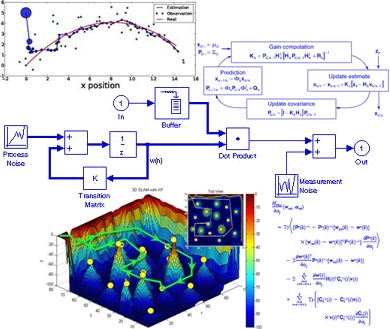 دانلود پاورپوینت فیلتر کالمن بر روی یک سنسور شتاب سنج برای تخمین سه متغیر حالت
 اندیکاتور ای کیو آپشن
 دانلود100% رایگان نرم افزار تبلیغات در تلگرام + آموزش کامل و فیلم آموزشی


