
پیوند ها

قسمتی از متن :
2
History of the Chemical Engineering Department at the Technion
The foundation stone of the Technion was laid in 1912, but the official opening was delayed due to WWI. The Technion was officially opened with a Construction department in 1924. An Architecture department followed in 1925 and a Technology department with 3 specialties: Mechanical, Electrical and Chemical in 1935. The first Chemistry lab was opened in 1936. The Technology department spawned an Industrial Chemistry department in 1945, which became the fourth department at the Technion. In 1953 a Chemical Engineering section was formed in the Industrial Chemistry department, and became the forerunner of the current department of Chemical Engineering. In 1959 the department of Industrial Chemistry was temporarily merged with the newly formed department of Chemistry. When the two separated in 1962, the Industrial Chemistry staff (with one exception) was left in the Chemistry department, and instead of Industrial chemistry a department of Chemical engineering with two sections: Chemical Engineering and Food Technology was formed. In 1969 the department of Food Technology was spawned as an independent department.
From 1943 to 1962 the department changed its name 10 times. The department moved in 1972 from its sprawling locations in the old Hadar campus to a large but unfinished building in the Technion City. In 1973, after receiving a gift from the Wolfson Foundation to enable finishing the construction of the major part of the building, the department got its current, and 12th name: The Wolfson Department of Chemical Engineering.
The 70 years history of the department can be divided into four periods:
A. The Industrial Chemistry period 1935-1948.
B. Transition to Chemical Engineering 1950-1962.
C. Classic Chemical Engineering 1962-around 1985
D. Modern Chemical Engineering. 1985-
A. The Industrial Engineering period
The initial staff of the department were the chemists Alexander Illioff, Itzhak Kalugai and the technologist Hugo Heimann. They were followed by the chemists Saul Zimmerman, Uri Garbatzki, and Rachel Ratner, the technologist David cohen, and the electrical engineer Joseph Gileadi. The outstanding member of the group was Hugo Heimann, who served as head of the department in the forties and the fifties. He had studied Chemical technology at Germany and had a few years experience as a Chemical engineer in industry. David Cohen was the first graduate of the department to serve on its staff. The first American on the staff who taught for a few years in the fifties, was the Minerals engineer Menahem Merlov Sobol
The syllabus in the fifties consisted of 200 credits with no electives. It included 45 credits in other engineering disciplines, 35 credits of Chemical technology and only 6 credits of Chemical Engineering. The purpose was to turn out Chemical technologists with good chemistry background and some knowledge of many engineering disciplines.
2
The teaching was 100% frontal. Many lecturers dictated their notes to the students notes. The material was more qualitative than quantitative. The examinations required the students to learn by heart their notes. The saving grace were the many labs, which taught quantitative techniques.
B. Transition to Chemical Engineering
The first teacher of Chemical engineering and the founder of the modern Chemical engineering department and the head of the chemical engineering section, was William Resnick who immigrated to Israel from the US in 1948, worked for two years in the Defense Ministry Research labs, and joined the Technion in 1951. Jacob Geist who had been on the staff of the MIT, but was advised to, leave during the McCarthy period, joined the department in 1952 and Zeke Clark who came to Israel to help develop its minerals joined, part time in 1952.
The addition of three chemical engineers enabled, for the first time, to teach thermodynamics, process control, engineering economy and to construct the first chemical engineering lab. Bill Resnick supervised the construction of the lab in 1953-5 by Mussa Bar-Ilan (Later to become the manager of the Refineries) and Ephraim Kehat, who were the only graduate students of chemical engineering at the time, and Joseph Mizrachi and Alex Himmelblau who were senior students at that time. Some of the experimental setups survived for over 20 years.
The addition of chemical engineering credits required the reduction of chemical technology credits with considerable friction between the old school and the newcomers In .1955-6, the 5 members of the chemical engineering section left. Bill Resnick left to work in the US chemical industry, Jack Geist to start a new career at Air Products, Zeke Clark returned to the Bureau of Mines. Mussa Bar Ilan started his career at the Refineries and Ephraim Kehat left to study at the MIT.
Some of the gap was filled by David Hasson who had just finished his studies at Imperial College and By Samuel Sideman who was recalled from his studies at Brooklyn Polytech. Joseph Gileadi was appointed as head of the Chemical Engineering section.
David Ginsburg, the chairman of the department of chemistry and the vice president of the Technion was concerned for the future of the department. Hugo Heimann claimed that the future chemical engineer should be a chemical technologist in the European tradition and suggested to invite Prof. Waterman, the chairman of the department of Chemical Engineering at Delft to act as the arbitrator of the controversy. Professor Waterman came and to Hugo Heimanns dismay, but probably with some help from David Ginsburg, Professor Waterman recommended the American approach.
تصاویری از چند صفحه نخست فایل :

توجه فرمایید بدلیل تهیه ی تصویر با نرم افزار های خارجی متن نمایش داده شده در تصاویر ممکن است دارای اشکالاتی در نمایش برخی حروف باشد که در فایل اصلی بدون مشکل است
مبلغ قابل پرداخت 14,000 تومان
برچسب های مهم
 فروش فیلتر بورسی استریکلی فقط 75 هزار تومان
 کسب درآمد اینترنتی 300000 تومان در خانه در کمتر از 30 دقیقه
 روش درآمدزایی در خواب (تعجب نکنید! کلیک کنید و بخوانید)
 کسب و کار اینترنتی با درآمد میلیونی
 ربات همه کاره اینستاگرام
 کسب درآمد از هوش مصنوعی ماهیانه حداقل ۱۲ میلیون تضمینی
 کسب درآمد روزانه حداقل یک میلیون تومان ! کاملا حلال و واقعـی !!
 کسب درآمد ابدی و بی نهایت 100% واقعی
 مجموعه ی آموزش تعمیر لامپ کم مصرف (از مبتدی تا پیشرفته)
 افزایش ممبر کانال، گروه و ربات تلگرام به صورت بی نهایت (اد ممبر)
 دانلود مجموعه آموزشی پایپینگ ( Piping ) و نقشه خوانی + آموزش سه نرم افزار طراحی و تحلیل لوله کشی صنعتی
 آموزش برنامه نویسی آردوینو
 آموزش بازكردن انواع قفل ها بدون كليد(ويژه)
 آموزش رایگان کسب درآمد از سایت الیمپ ترید ( olymp trade )
 کسب و کار اینترنتی در منزل
 بازگردانی پیامک های حذف شده- ریکاوری پیامک ۱۰۰٪ عملی
 اموزش ویرایش امضا و پکیج برنامه اندروید و کسب درامد از مارکت های اندرویدی
 آموزش ساخت بازی بدون دانش برنامه نویسی و طراحی سه بعدی مبتدی تا پیشرفته با نرم افزار
 دانلود نمونه فاکتور آماده با فرمت ورد - اکسل و عکس
 کد های آماده html و css جهت یادگیری و طراحی سریع
 اموزش کسب درامد از اینترنت روزانه ۳میلیون تومان تضمینی و تست شده 1403
 درامدزایی در خواب! (تعجب نکنید! بخوانید)
 نسخه خطی اشعار و پیشگویی های شاه نعمت الله ولی
 آموزش كامل تعمير لامپ كم مصرف(اختصاصي)
 نسخه خطی اشعار و پیشگویی های شاه نعمت الله ولی
 مدار داخلی واکی تاکی(اموزش ساخت)
 کتاب افزایش ممبر کانال تلگرام
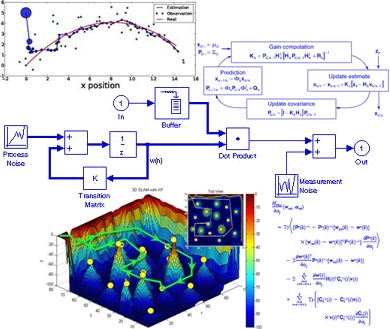 دانلود پاورپوینت فیلتر کالمن بر روی یک سنسور شتاب سنج برای تخمین سه متغیر حالت
 اندیکاتور ای کیو آپشن

