×

پیوند ها

قسمتی از متن :
Graphene nanoribbons
Graphene nanoribbons (also called nano-graphene ribbons or nano-graphite ribbons), often abbreviated GNRs, are strips of graphene with ultra-thin width (
Contents
1 Production
2 Electronic structure
3 Exciton Properties
4 Applications
4.1 Polymeric Nanocomposites
4.2 Contrast Agent for Bioimaging
5 See also
6 References
7 External links
Production
Large quantities of width controlled GNRs can be produced via graphite nanotomy,[4] where applying a sharp diamond knife on graphite produces graphite nanoblocks, which can then be exfoliated to produce GNRs. GNRs can also be produced by "unzipping" or cutting open nanotubes.[5] In one such method multi-walled carbon nanotubes were unzipped in solution by action of potassium permanganate and sulfuric acid.[6] In another method GNRs were produced by plasma etching of nanotubes partly embedded in a polymer film.[7] More recently, graphene nanoribbons have been grown onto silicon carbide (SiC) substrates using ion implantation followed by vacuum or laser annealing.[8][9][10] The latter technique allows any pattern to be written on SiC substrates with 5 nm precision.[11]
Electronic structure
The electronic states of GNRs largely depend on the edge structures (armchair or zigzag). Zigzag edges provide the edge localized state with non-bonding molecular orbitals near the Fermi energy. They are expected to have large changes in optical and electronic properties from quantization.
Calculations based on tight binding theory predict that zigzag GNRs are always metallic while armchairs can be either metallic or semiconducting, depending on
تصاویری از چند صفحه نخست فایل :

توجه فرمایید بدلیل تهیه ی تصویر با نرم افزار های خارجی متن نمایش داده شده در تصاویر ممکن است دارای اشکالاتی در نمایش برخی حروف باشد که در فایل اصلی بدون مشکل است
برچسب های مهم
 فروش فیلتر بورسی استریکلی فقط 75 هزار تومان
 کسب درآمد اینترنتی 300000 تومان در خانه در کمتر از 30 دقیقه
 کسب و کار اینترنتی با درآمد میلیونی
 روش درآمدزایی در خواب (تعجب نکنید! کلیک کنید و بخوانید)
 ربات همه کاره اینستاگرام
 کسب درآمد از هوش مصنوعی ماهیانه حداقل ۱۲ میلیون تضمینی
 کسب درآمد روزانه حداقل یک میلیون تومان ! کاملا حلال و واقعـی !!
 کسب درآمد ابدی و بی نهایت 100% واقعی
 مجموعه ی آموزش تعمیر لامپ کم مصرف (از مبتدی تا پیشرفته)
 افزایش ممبر کانال، گروه و ربات تلگرام به صورت بی نهایت (اد ممبر)
 دانلود مجموعه آموزشی پایپینگ ( Piping ) و نقشه خوانی + آموزش سه نرم افزار طراحی و تحلیل لوله کشی صنعتی
 آموزش برنامه نویسی آردوینو
 آموزش رایگان کسب درآمد از سایت الیمپ ترید ( olymp trade )
 آموزش بازكردن انواع قفل ها بدون كليد(ويژه)
 کسب و کار اینترنتی در منزل
 بازگردانی پیامک های حذف شده- ریکاوری پیامک ۱۰۰٪ عملی
 اموزش ویرایش امضا و پکیج برنامه اندروید و کسب درامد از مارکت های اندرویدی
 آموزش ساخت بازی بدون دانش برنامه نویسی و طراحی سه بعدی مبتدی تا پیشرفته با نرم افزار
 اموزش کسب درامد از اینترنت روزانه ۳میلیون تومان تضمینی و تست شده 1403
 کد های آماده html و css جهت یادگیری و طراحی سریع
 درامدزایی در خواب! (تعجب نکنید! بخوانید)
 نسخه خطی اشعار و پیشگویی های شاه نعمت الله ولی
 آموزش كامل تعمير لامپ كم مصرف(اختصاصي)
 نسخه خطی اشعار و پیشگویی های شاه نعمت الله ولی
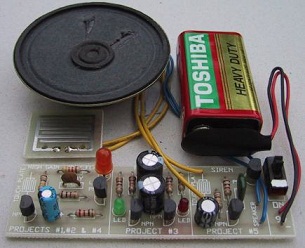 مدار داخلی واکی تاکی(اموزش ساخت)
 کتاب افزایش ممبر کانال تلگرام
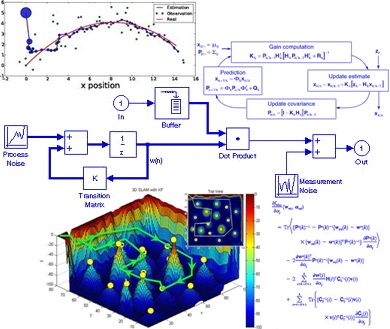 دانلود پاورپوینت فیلتر کالمن بر روی یک سنسور شتاب سنج برای تخمین سه متغیر حالت
 اندیکاتور ای کیو آپشن
 دانلود100% رایگان نرم افزار تبلیغات در تلگرام + آموزش کامل و فیلم آموزشی


